*** Order Online Now for Home Delivery or Click & Collect... ***
Hydroponics Systems
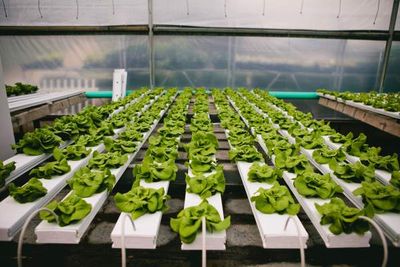
Hydroponics offers faster plant growth, higher yields, efficient water usage, and greater control over growing conditions compared to traditional outdoor soil cultivation.
Faster Growth and Higher Yields
Plants grown hydroponically often mature faster than soil-grown plants because nutrients are delivered directly to the roots in a highly available form. This direct access reduces energy spent by the plant searching for nutrients, resulting in more rapid growth and often higher yields per square meter. Controlled conditions also allow for multiple harvests per year in some crops.
Efficient Water Usage
Hydroponic systems use significantly less water than traditional soil farming. Water is recirculated within the system, minimizing loss through evaporation or drainage. This efficiency is particularly advantageous in regions facing water scarcity or for urban agriculture initiatives.
Greater Control Over Growing Conditions
Hydroponics allows precise control of nutrient delivery, pH levels, temperature, and light, ensuring optimal conditions for plant growth. This reduces risks from nutrient deficiencies, soil-borne diseases, and pests, leading to healthier crops and more consistent quality.
Space Efficiency and Urban Farming Potential
Because hydroponic systems can be stacked vertically or adapted to small indoor spaces, they are ideal for urban farming. This makes it possible to grow large quantities of produce in areas with limited land availability, contributing to local food security and reducing transportation-related carbon emissions.
Reduced Use of Pesticides and Herbicides
Soil-free cultivation minimizes the presence of soil pests and weeds, which can reduce or eliminate the need for chemical pesticides and herbicides. This results in cleaner produce and lower environmental impact from agrochemicals.
Year-Round Production
With hydroponic systems in controlled environments, crops can be grown year-round, independent of outdoor seasonal limitations. This capability supports continuous supply, important for commercial growers and regions with harsh climates.
Sustainability Advantages
Hydroponics can be integrated with renewable energy sources, rainwater harvesting, or aquaponics to enhance sustainability, improving resource efficiency and overall environmental impact compared with conventional agriculture.
In summary, hydroponics provides advantages in productivity, resource efficiency, crop quality, and sustainability, making it a valuable approach for both commercial and home gardening. These benefits are particularly compelling in urban, water-limited, or climate-challenged environments.
PLEASE NOTE: MOST LARGE SYSTEMS ARE PICK UP ONLY. If you require shipping, please contact us at sphydro@southpacifichydroponics.com or give us a call on 02-6239-2598.
Display prices in:AUD