







*** Order Online Now for Home Delivery or Click & Collect... ***
Microbial Additives
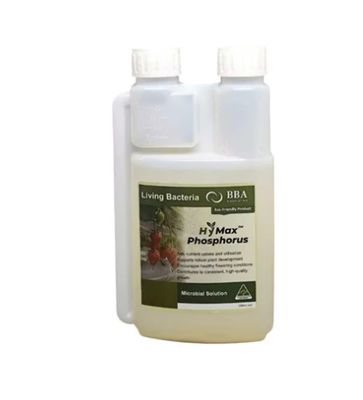
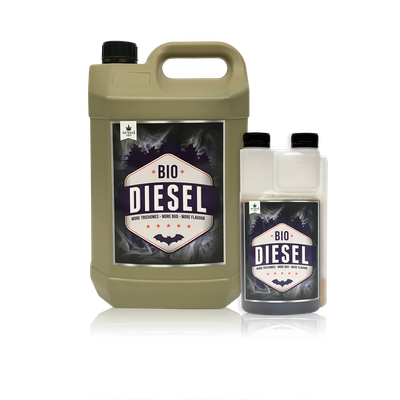
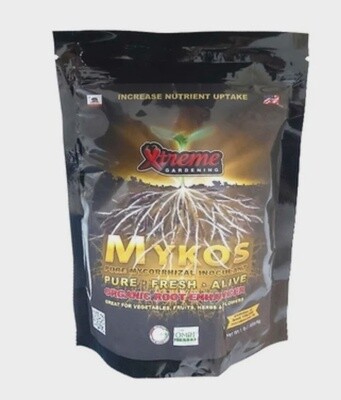
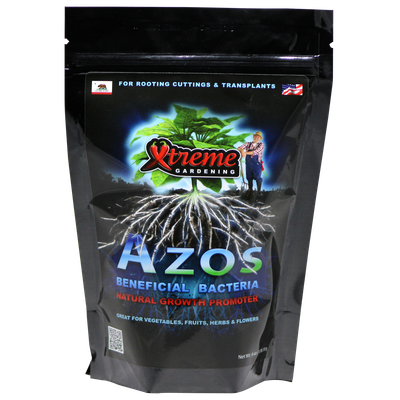
Microbial additives, such as beneficial bacteria and fungi, enhance plant growth, improve soil health, boost nutrient availability, and increase plant resilience to stress and disease.
Improved Nutrient Uptake
Microbial additives, including rhizobacteria and mycorrhizal fungi, can increase nutrient availability in the soil. For example, nitrogen-fixing bacteria (e.g., Rhizobium) convert atmospheric nitrogen into forms usable by plants, while phosphate-solubilizing microorganisms release phosphorus bound in the soil, improving plant nutrient uptake and promoting growth. Some microbes also produce siderophores that help plants absorb iron more efficiently.
Enhanced Plant Growth and Yield
Beneficial microbes produce phytohormones such as auxins, gibberellins, and cytokinins that stimulate root and shoot development. This leads to stronger root systems, better water and nutrient absorption, and increased biomass. In agricultural crops, microbial inoculants have been shown to improve yields and fruit or grain quality under both normal and suboptimal soil conditions.
Disease Suppression and Pest Resistance
Certain microbial additives act as biocontrol agents, suppressing harmful pathogens in the soil. For instance, Bacillus and Trichoderma species produce antibiotics, compete for nutrients, or induce systemic resistance in plants, protecting against fungal, bacterial, and viral diseases. This can reduce the need for chemical pesticides, supporting more sustainable farming practices.
Stress Tolerance and Soil Health
Microbial additives can help plants cope with abiotic stresses such as drought, salinity, and heavy metal toxicity. They improve water retention in the soil, modulate plant stress-related hormones, and enhance antioxidant systems in plants. Additionally, they contribute to soil structure and fertility by producing extracellular polysaccharides, which improve soil aggregation and microbial diversity.
Environmental and Sustainability Benefits
Using microbial additives can reduce dependency on chemical fertilizers and pesticides, lower environmental impact, and promote long-term soil health. They are key components in sustainable agriculture strategies, including organic farming and regenerative practices.
In summary, microbial additives provide a wide range of benefits: they enhance nutrient availability, stimulate plant growth, protect against diseases, improve stress tolerance, and support sustainable soil and crop management. Careful selection of microbial strains and compatibility with the target crop and soil conditions is essential to maximize their effectiveness.
Refine by
Display prices in:AUD