*** Order Online Now for Home Delivery or Click & Collect... ***
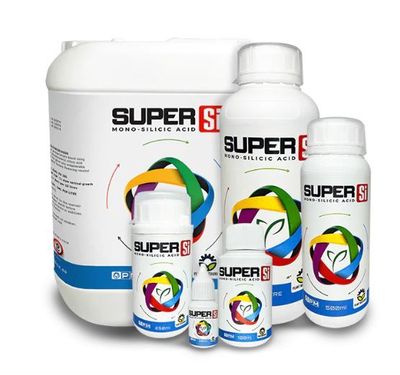
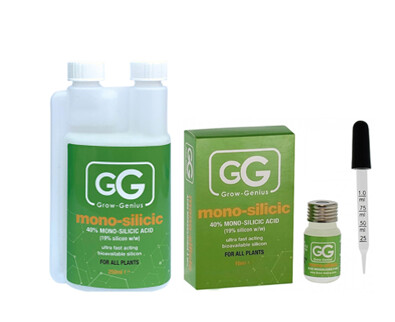
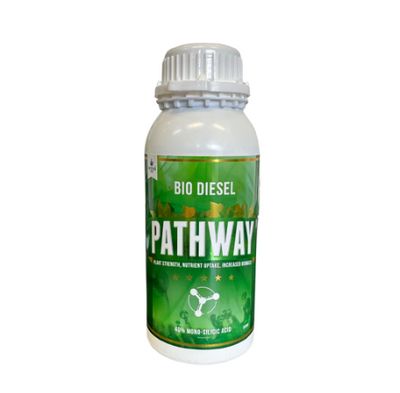
Mono Silicic Acids
What is Mono Silicic Acid?
Mono silicic acid (Si(OH)₄), also called orthosilicic acid, is the soluble form of silicon that plants can directly absorb through roots or foliage. Mono silicic acid (MSA) is the most bioavailable form of silicon for plants, enhancing cell wall strength, nutrient uptake, stress tolerance, and overall crop resilience.
Unlike other silicon sources, MSA is immediately available, bypassing microbial or chemical conversions required by compounds like potassium silicate or silica dioxide. This rapid absorption allows plants to experience benefits within hours to days instead of weeks .
Benefits for Plant Growth
Structural Support: Silicon from MSA is deposited in cell walls and between cells (as phytoliths), reinforcing stems and leaves. This enhances plant rigidity, reduces lodging, and allows for better support of heavy fruits or flowers
Disease and Pest Resistance: MSA strengthens natural barriers and stimulates chemical defenses, reducing susceptibility to fungal infections (e.g., powdery mildew) and insect pests (e.g., thrips, aphids) by up to 60-80% in some crops
Stress Tolerance: MSA improves drought, heat, and frost tolerance by enhancing osmotic regulation and water retention in tissues. It also helps plants recover faster from environmental stress.
Nutrient Use Efficiency: Stronger roots and cell walls facilitate better uptake of nutrients such as phosphorus, potassium, and calcium, and improve overall fertilizer efficiency. This can translate to higher yields, sometimes increasing biomass by 20–30% under normal conditions and up to 200% under stress.
Faster Growth: Silicic acid supports quicker cell division and expansion, leading to faster canopy closure, larger leaf area, and efficient photosynthesis
Refine by
Display prices in:AUD